














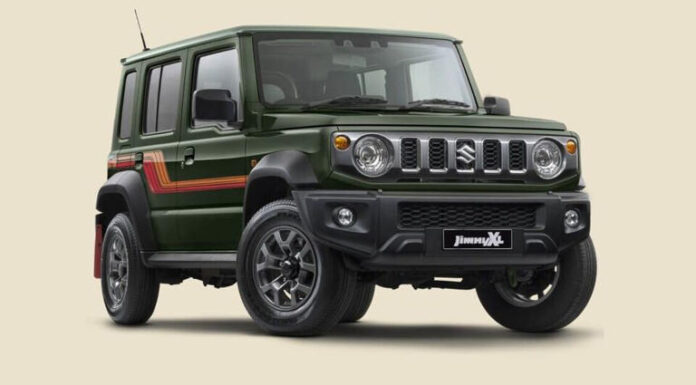
Maruti Suzuki Jimny XL
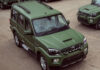
Suzuki has recently unveiled an exclusive offering for off-road enthusiasts in Australia with the launch of the Heritage Edition of their iconic Jimny. Limited to just 500 units, this special edition model is set to captivate fans with its distinctive features and nods to the classic era of 4x4 adventure.
What sets this Heritage Edition apart is its basis...
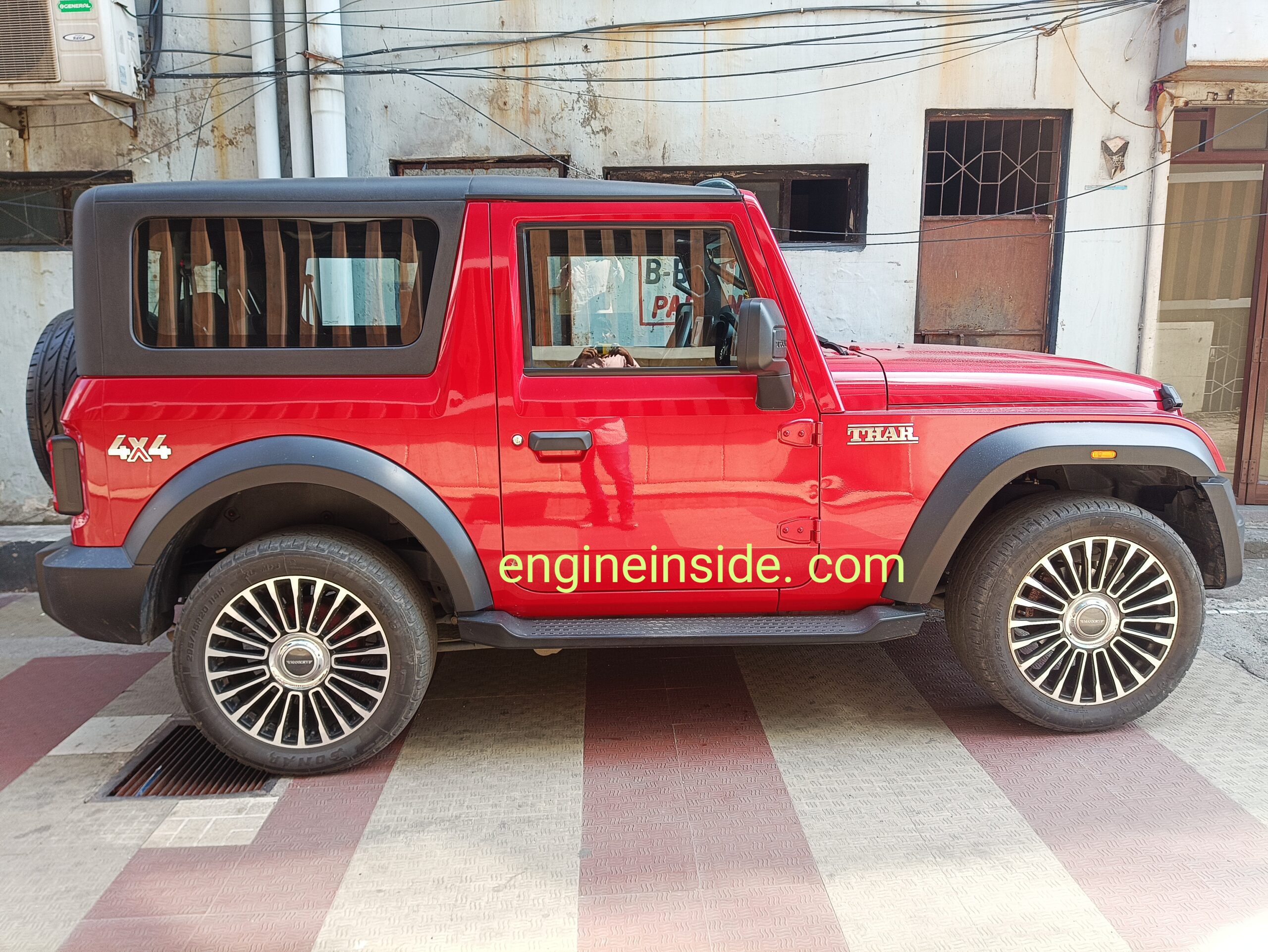
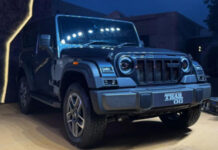
Mahindra Thar comes in seven petrol variant and ten diesel variant options. There is a choice between Automatic and Manual transmission. It is a four-seat vehicle with an average claimed mileage of 8-15.2 kmpl kmpl, depending on fuel type and drive conditions. The Thar measures 3,985 mm in length, 1,820 mm in width and has a wheelbase of 2,450 mm. The...
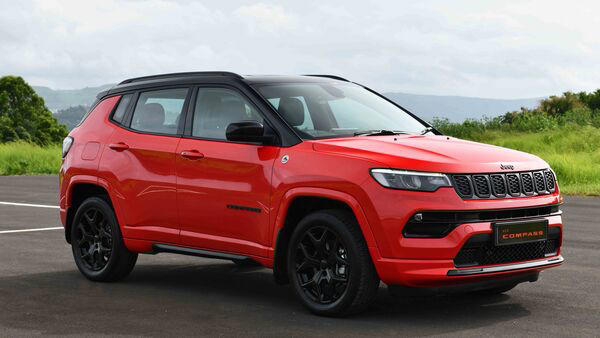
Jeep India has announced benefits on their lineup of vehicles. As of now, the most affordable SUV in Jeep's lineup is the Compass. It is available with benefits of up to ₹1.2 lakh. Then there is the Meridian which gets benefits of up to ₹2.75 lakh. Finally, there is the Grand Cherokee and Wrangler. They are currently priced at ₹68.50 lakh and ₹62.65...

Range : The Tata Nexon EV and Mahindra XUV400 EV are bitter rivals in the all-electric SUV space, and have been tested repeatedly against each other, as the brands updated their EVs time and again. The Nexon EV last received a major facelift in September last year, while the XUV400 was updated just this January. While the Mahindra didn’t get any...
Citroen:
India has given a fresh makeover to its popular C3 hatchback, shaking up the color choices for a more vibrant driving experience.
The Tata Punch competitor now boasts four single-tone and seven dual-tone exterior paint selections, offering a palette that suits every taste.
The hatchback, available in three trim levels – Live, Feel, and Shine, starts at an enticing price of...
Royal Enfield has created a special bike and this time around it comes with a
top-heavy body, wire-spoked wheels and the performance to tear up gravel
and tarmac alike
We know Royal Enfield very well, or so we thought. Because, when the
premium bike manufacturer unveiled the second-generation Himalayan at a
popular international two-wheeler expo, it stunned people. Then the
first look videos came out...

- Advertisement -