


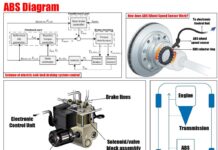


















IBS (Intelligent Braking System) and ABS (Anti-lock Braking System) — both designed to improve braking safety but work differently 👇
⚙️ Working Principle
| Feature | ABS (Anti-lock Braking System) | IBS (Intelligent Braking System) |
|---|---|---|
| Function | Prevents wheel lock during sudden braking by modulating brake pressure. | Distributes braking force intelligently between front and rear wheels for balanced stopping. |
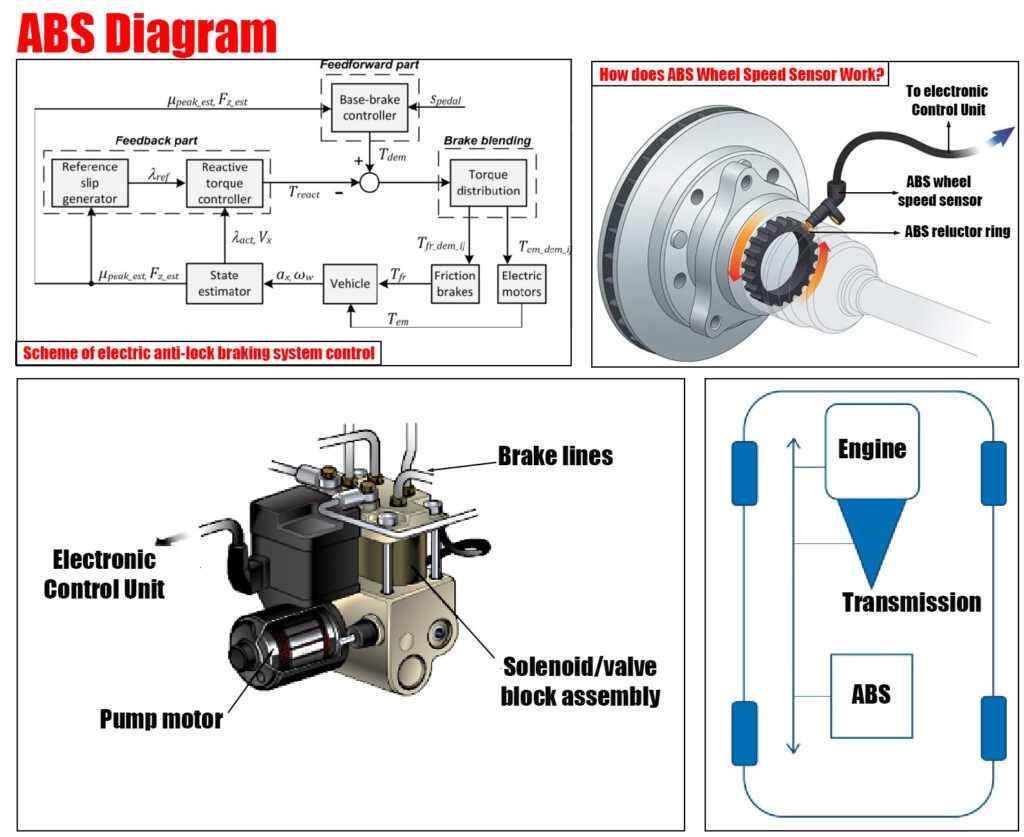
| Mechanism | Uses sensors and valves to rapidly apply and release brakes. | Uses electronic control to optimize braking efficiency and stability. |
| Control Type | Reactive — activates when wheel slip is detected. | Predictive — manages braking force proactively based on input. |
🚗 Performance & Safety
| Aspect | ABS | IBS |
|---|---|---|
| Stability | Maintains steering control during emergency braking. | Enhances overall braking feel and reduces stopping distance. |
| Terrain Handling | Excellent on wet or slippery surfaces. | Performs well on mixed terrains by adjusting brake bias. |
| User Experience | Slight pulsation felt at lever/pedal during activation. | Smooth, progressive braking response without pulsation. |
🏍️ Examples
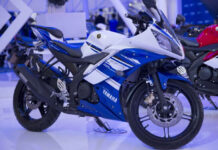
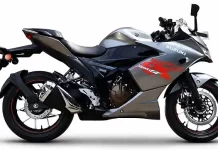
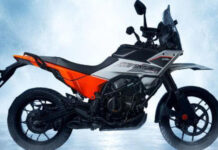
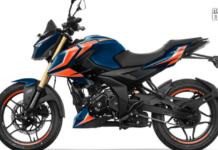
- ABS-equipped bikes: Yamaha R15 V4, KTM Duke 390, Royal Enfield Himalayan 450.
- IBS-equipped bikes: Hero Splendor Plus, Hero HF Deluxe, Hero Passion XPro — where IBS balances braking between front and rear automatically.
🧠 Summary
- ABS = Safety during hard braking (prevents skidding).
- IBS = Efficiency and balance (better brake distribution).
- Many commuter bikes use IBS for cost-effectiveness, while performance bikes rely on ABS for high-speed safety.
Would you like me to add a diagram showing how ABS and IBS distribute braking force between wheels? It’s a great visual for understanding their difference in action.